

Introduction
In the ever-evolving landscape of e-commerce, personalization has emerged as a cornerstone of successful online retailing, revolutionizing the way businesses interact with their customers. This transformation is not just about offering personalized products but extends to creating an individualized shopping experience that resonates with the consumer's unique preferences, needs, and behaviors. At the forefront of this shift is That IWant.com, a trailblazer in implementing a consumer-centric model that leverages sophisticated algorithms and data analytics to offer unparalleled personalized shopping experiences. This approach not only enhances customer satisfaction but also significantly boosts sales and loyalty. In the following sections, we will delve deep into the mechanics of personalization in e-commerce, examining how That IWant.com has harnessed this strategy to set new standards in customer engagement and retention.
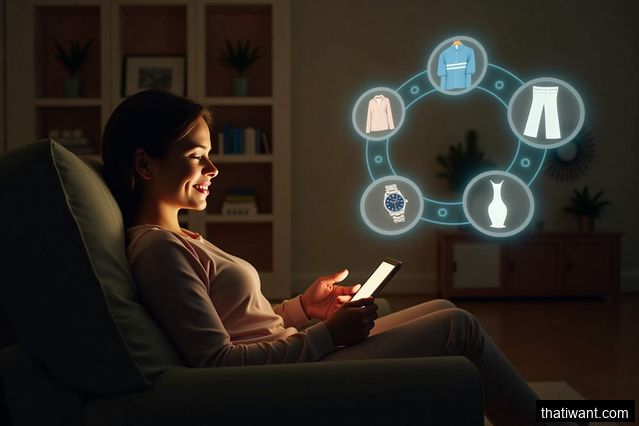
Personalization in e-commerce is multifaceted, involving various elements from personalized recommendations and targeted marketing to custom-tailored content and interactive user interfaces. That IWant.com's model exemplifies the integration of these elements, creating a cohesive and dynamic shopping environment where customers feel understood and valued. By analyzing consumer data, including past purchases, browsing history, and social media activity, That IWant.com crafts individualized shopping experiences that cater to the specific desires of each shopper. This level of personalization not only enhances the shopping experience but also serves as a powerful marketing tool, increasing conversion rates and fostering a strong, loyal customer base. Let's explore the intricacies of this model and how it's setting new benchmarks in the e-commerce domain.
As we delve deeper into the realm of personalized e-commerce strategies, it becomes evident that the introduction phase plays a crucial role in setting the tone for customer engagement. Crafting compelling welcome messages or tailored product recommendations during this initial interaction can significantly impact a user's journey on the platform.
The Mechanics of Personalization in E-Commerce
Personalization in e-commerce operates on the principle of gathering and analyzing vast amounts of customer data to predict future buying behaviors and tailor the shopping experience accordingly. For That IWant.com, this process begins with the collection of data from multiple sources, including direct interactions with the site, social media engagement, and even external databases. The collected data is then processed and analyzed to identify patterns, preferences, and potential customer desires. This data-driven approach allows That IWant.com to not only recommend products that a customer is likely to purchase but also to customize the entire shopping journey, from the homepage layout to the checkout process. For example, if a customer frequently purchases eco-friendly products, That IWant.com's homepage for that customer might highlight new eco-conscious brands, special offers on sustainable goods, and articles about eco-friendly living.
Furthermore, That IWant.com employs machine learning algorithms to continuously refine its recommendations and personalization strategies. These algorithms analyze the success of previous personalization efforts, learning from what worked well and what didn't. This iterative process ensures that the personalization becomes more accurate and effective over time, constantly adapting to the evolving preferences of each customer. The result is a highly dynamic and responsive shopping experience that feels genuinely personal and engaging. By focusing on the individual needs and wants of each customer, That IWant.com not only increases the likelihood of making a sale but also strengthens the overall customer relationship, encouraging repeat visits and fostering brand loyalty.
To delve deeper into the mechanics of personalization in e-commerce, consider the intricate algorithms that power product recommendations based on user behavior. These algorithms analyze browsing history, purchase patterns, and even social media interactions to create tailored shopping experiences.
Case Studies: Success Stories of Personalization
To illustrate the power of personalization in e-commerce, let's examine a few success stories beyond That IWant.com. Amazon, for instance, is renowned for its sophisticated recommendation engine, which suggests products based on a customer's past purchases, search history, and items in their shopping cart. This level of personalization has been instrumental in Amazon's ability to cross-sell and upsell, contributing significantly to its revenue growth. Similarly, Netflix uses personalization to recommend movies and TV shows, employing complex algorithms that analyze viewing history and user ratings. This personalized approach has not only enhanced user satisfaction but also increased viewer engagement and retention.
Another compelling example is Spotify, which creates custom playlists for each of its users based on their listening habits. This personalized experience has been key to Spotify's user satisfaction and loyalty, setting it apart in the competitive streaming music landscape. These case studies underscore the effectiveness of personalization in fostering deep connections with customers, leading to increased sales, loyalty, and competitive advantage. They also highlight the potential for That IWant.com to further refine and expand its personalization strategies, leveraging the successes and lessons learned from these industry giants.
Delving further into successful personalization strategies, the case study of a beauty brand stands out. By tailoring product recommendations based on skin type and preferences, they achieved a remarkable 20% increase in customer engagement.
Challenges and Considerations in Implementing Personalization
While the benefits of personalization in e-commerce are clear, implementing a truly individualized shopping experience comes with its own set of challenges. Privacy concerns are at the forefront, as personalization depends on the collection and analysis of vast amounts of personal data. That IWant.com, like other e-commerce platforms, must navigate the delicate balance between personalization and privacy, ensuring that customer data is collected, stored, and used responsibly. This involves transparent communication with customers about how their data is being used, as well as providing them with control over their personal information.
Moreover, achieving a high level of personalization requires sophisticated technology and significant investment in data analytics capabilities. Small to medium-sized enterprises (SMEs) may find these requirements challenging due to limited resources. Nevertheless, the potential ROI from increased customer engagement and sales can justify the investment in personalization technology. Additionally, personalization strategies must be continuously tested and refined to keep pace with changing customer preferences and technological advancements. This ongoing optimization process is crucial for maintaining the effectiveness of personalization efforts and ensuring that they deliver tangible business results.
One key challenge in implementing personalization is navigating the fine line between tailored recommendations and invasion of privacy. Ensuring data security and transparency becomes paramount when crafting personalized user experiences.
Conclusion
The rise of personalization in e-commerce represents a paradigm shift in how businesses engage with their customers, offering unprecedented opportunities for customer engagement and loyalty. That IWant.com exemplifies the successful implementation of a consumer-centric model, leveraging data analytics and machine learning to create a personalized shopping experience that resonates with each individual customer. By examining the mechanics of personalization, alongside industry success stories and the challenges involved, it's clear that personalization is a powerful strategy for e-commerce businesses aiming to thrive in today's competitive landscape.
For businesses looking to embark on the personalization journey, the key takeaway is the importance of investing in the necessary technology and expertise to collect, analyze, and act on customer data. While challenges such as privacy concerns and the need for continuous optimization exist, the potential benefits in terms of customer satisfaction, loyalty, and revenue growth are too significant to ignore. As That IWant.com and other success stories demonstrate, when executed well, personalization can transform the e-commerce experience, benefiting both businesses and consumers alike.
In conclusion, the impact of personalization on e-commerce goes beyond just customer engagement. It also plays a crucial role in enhancing brand loyalty and increasing conversion rates. For example, personalized product recommendations can significantly boost sales by providing tailored suggestions based on individual preferences.